
Voice, choir and musical work
Peter Patz has taught more than 100 students, built choirs, prepared ensembles for performance and conducted major choral events. His work is organized here as lessons and practical teaching materials.
students
building, teaching and preparation
conducting at major events
Vocal coaching with Peter Patz
Individual and group voice work for singers, choir members, conductors and music leaders.
How the work proceedsAn exercise must change real singing
Peter connects voice work with the score, the text and the task of the individual singer. A technical action is checked in a musical phrase and then in a choir part or the complete ensemble sound.
See the voice-development systemFrom coordination to a musical phrase
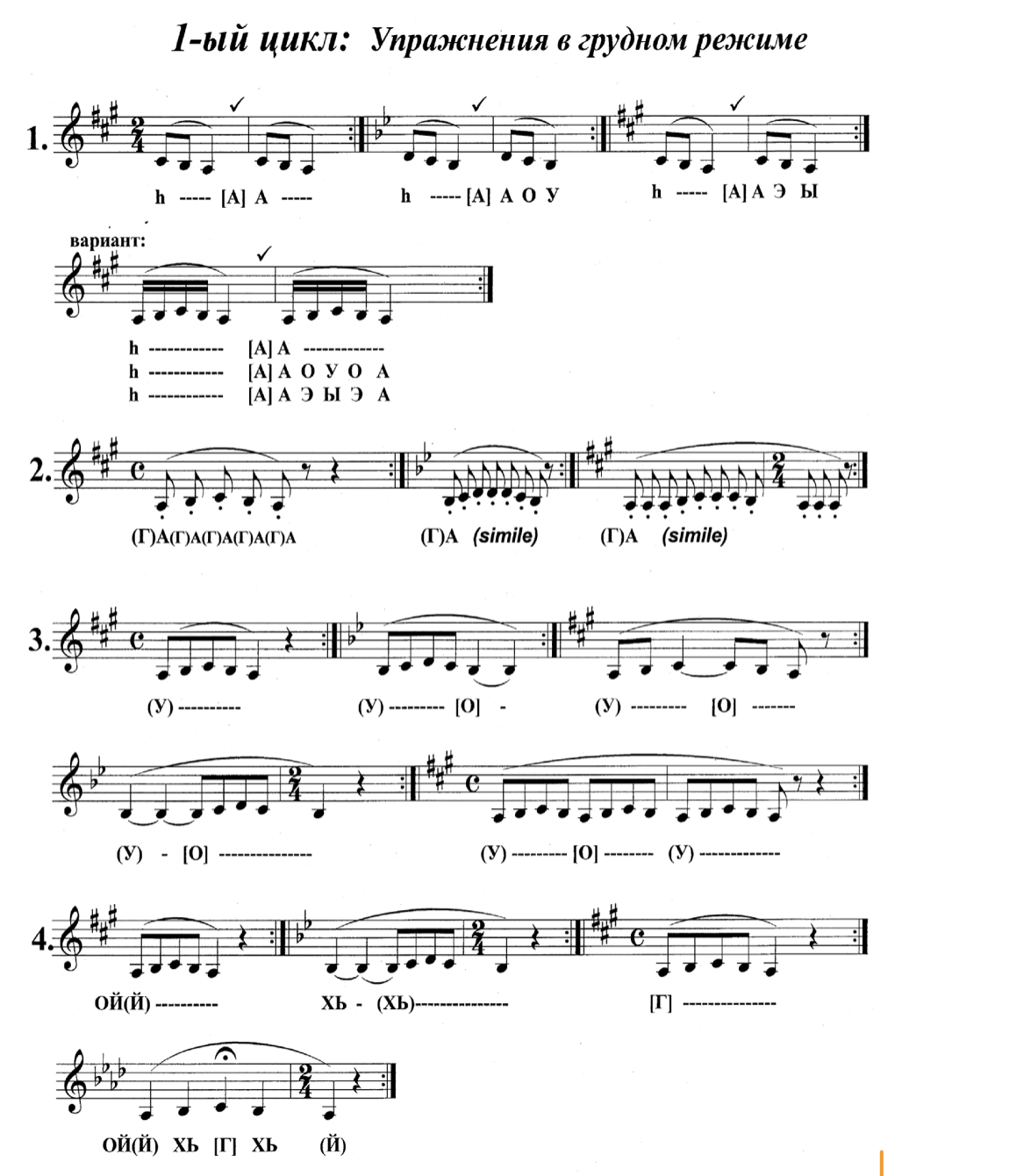
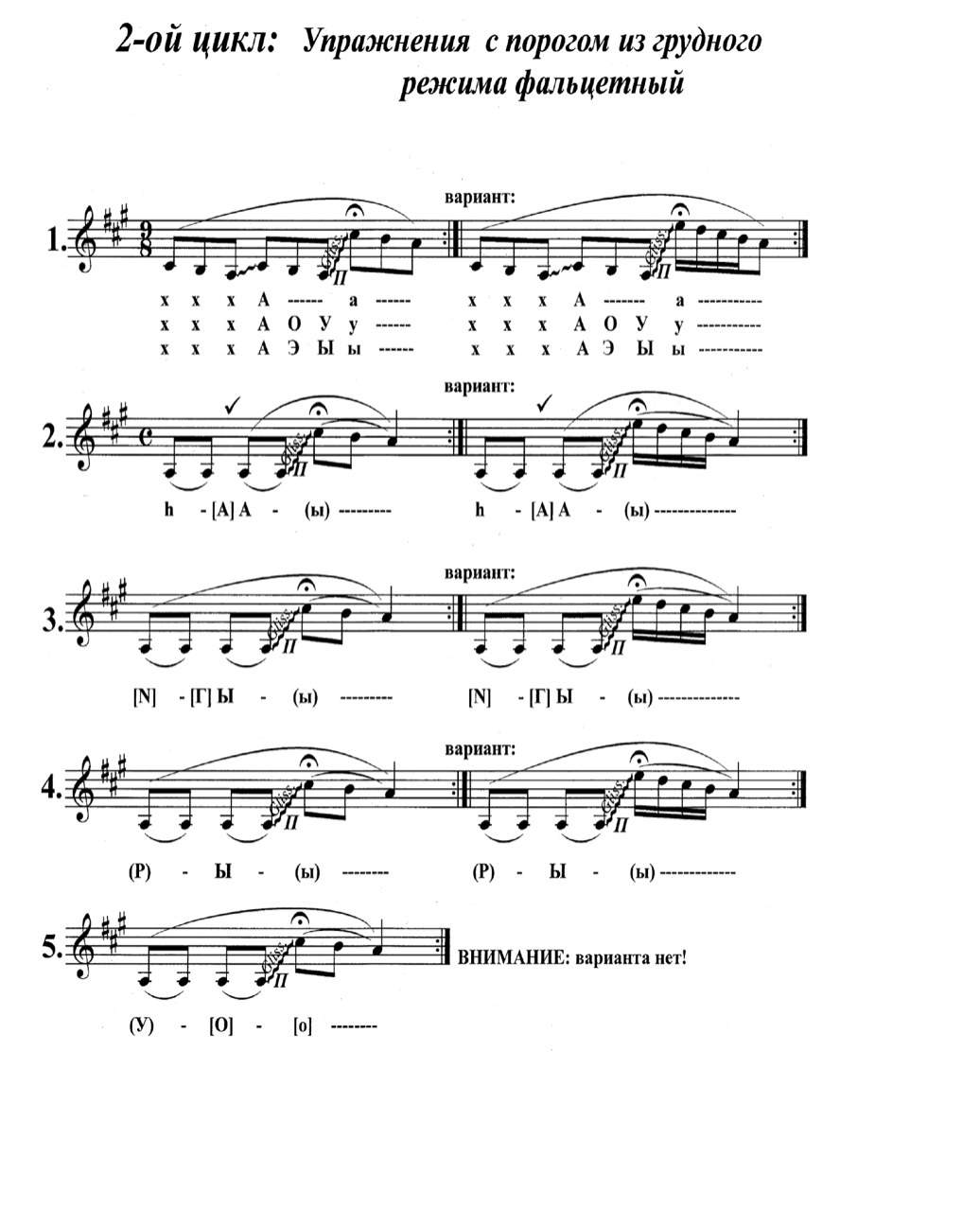
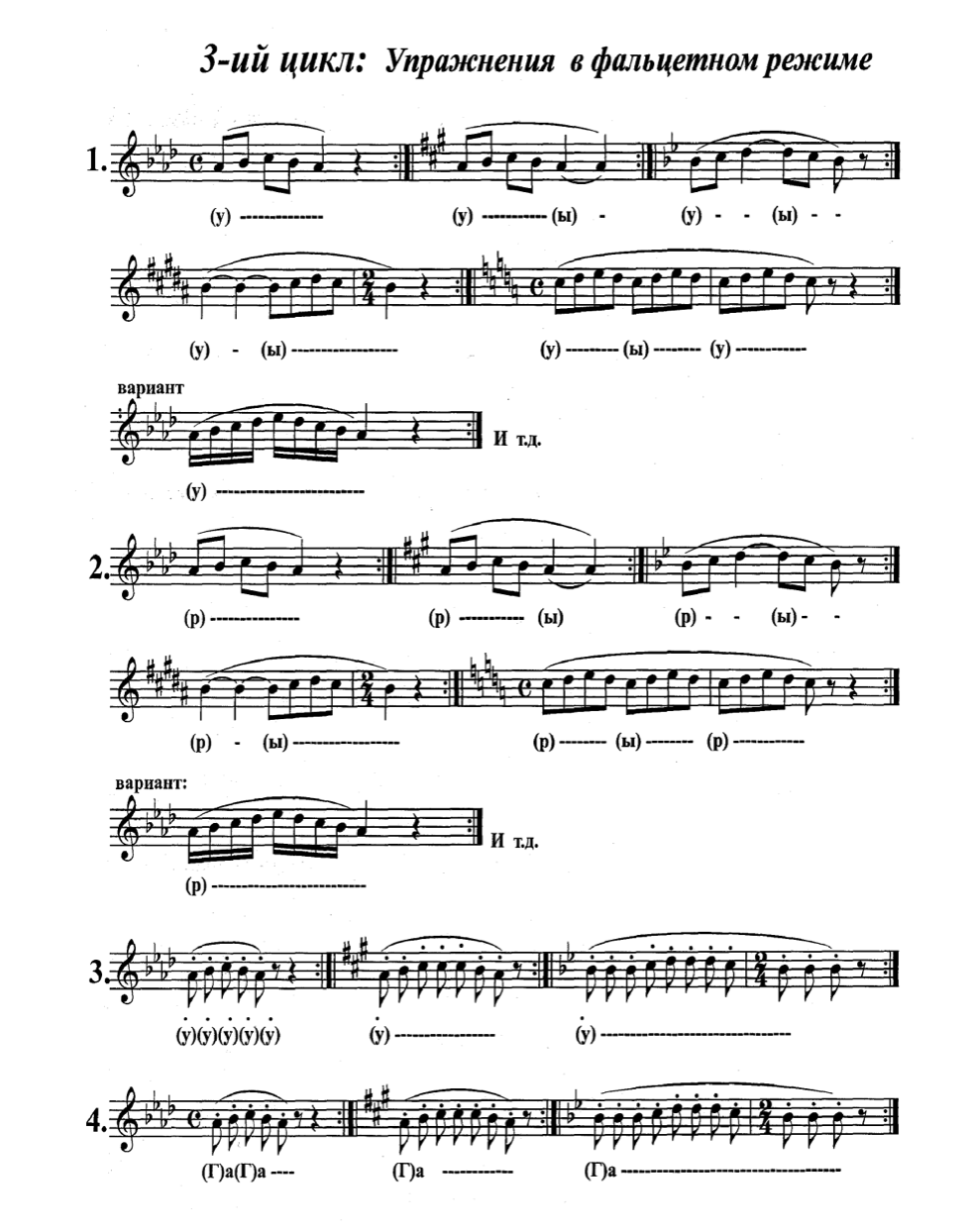
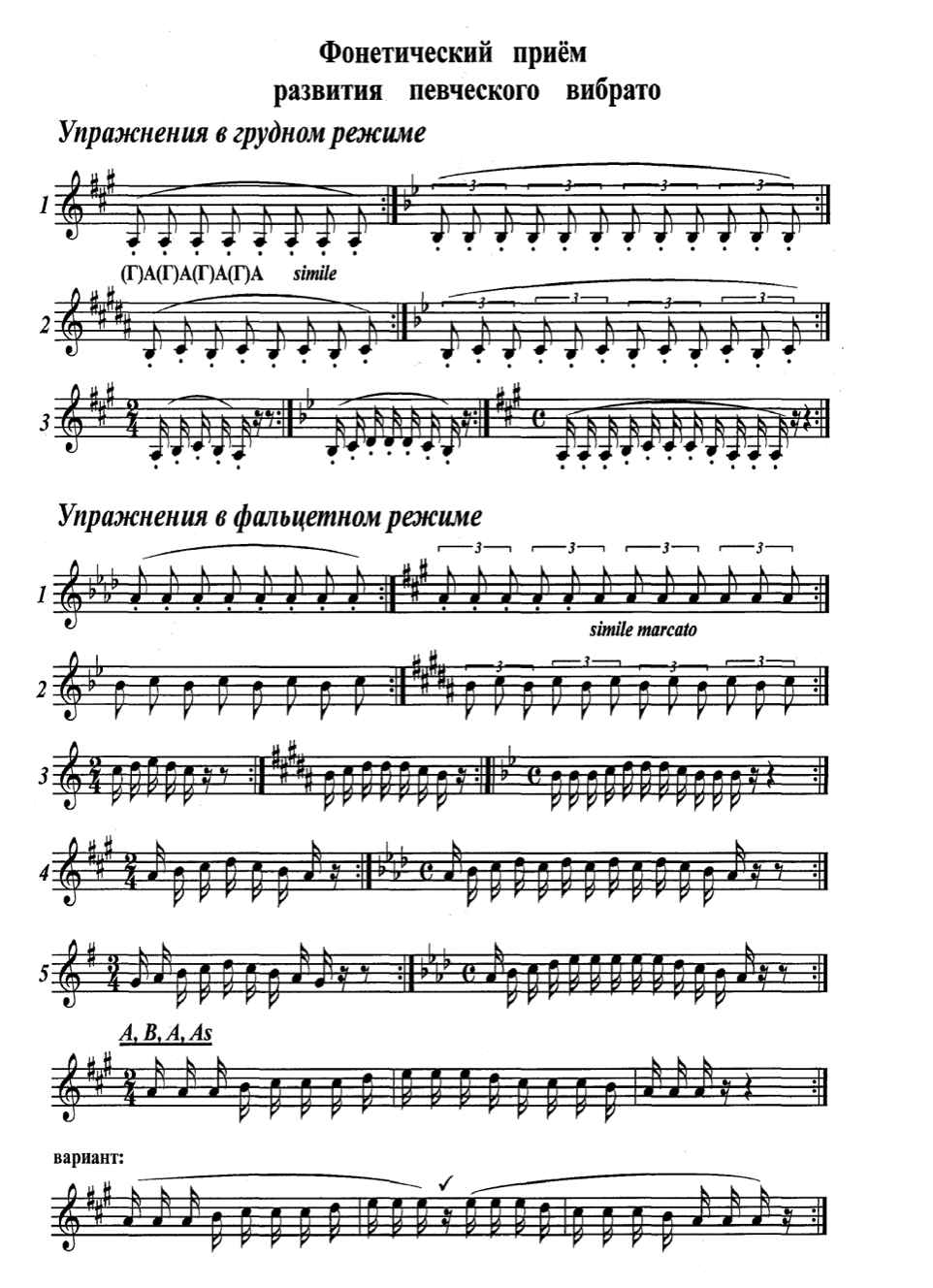
The system is shown on real notation. A singer works through chest register, the transition area, falsetto register and finer control of vibrato. Peter selects the stage needed by the individual voice or choir part.
- 01 Chest register
Initial coordination, vowel, onset and steady movement.
- 02 Register transition
Work across the threshold without added pressure or an accidental break.
- 03 Falsetto register
Light upper sound, range and return to the lower register.
- 04 Vibrato and control
Stable pitch, listening and use in music.
Method
Choir work
Vocal work with a choir
How individual voices become a tuned choir through vowel, onset, section balance, text and musical phrase.
Voice training for conductors and choir directors
A working voice for demonstrating parts, explaining rehearsal tasks, giving intonation examples and carrying a long day.
Voice foundations
Why train your voice
What regular voice work gives singers, choir members, conductors and people with a heavy speaking load.
How to practise the voice safely
A safe order for individual practice: check the day’s voice, begin in a comfortable range and transfer the exercise into music.
How often to train the voice
How to distribute short sessions, choir rehearsals and recovery so skill grows without accumulated overload.
Voice care
Voice care under heavy speaking and singing load
Preparing the voice before rehearsal, using it efficiently during the day and recovering after a long load.
Vocal fatigue and warning signs
How to distinguish a need for ordinary rest from changes that require stopping and seeking clinical evaluation.
How to prevent hoarseness and voice loss
Practical rules for singers, choirs, teachers and conductors: total load, water, pauses, volume and illness.
Voice recovery after heavy use
What to do after a concert, long rehearsal or a day of heavy speaking, and what not to test on your own.
Warm-ups
Articulation warm-up before singing
Prepare lips, tongue, jaw and clear text before vocal work or choir rehearsal.
Warm-up for male voices
Sequential work with the male voice: comfortable tessitura, even onset, range and transitions.
Warm-up for women’s and children’s voices
Light onset, stable vowel, range and the transition between chest and falsetto registers.
Coordination
Transition between chest and falsetto registers
Hear, coordinate and cross the register boundary without added pressure or an accidental break.
Working with vocal vibrato
Listening, phonetic and mechanical exercises for a controlled vibrato that remains connected with pitch and phrase.
Rehearsal
Discuss the task with Peter
Send a short recording, the choir voicing or a description of the vocal problem.