
Four working stages
Voice development proceeds in order. Each stage depends on coordination that already works without unnecessary effort.
- Articulation, breathing, simple voice signals and attentive listening.
- Stable singing skills, efficient action and an even range.
- Register transitions, vibrato, diction and timbre control.
- Independent control in musical material.
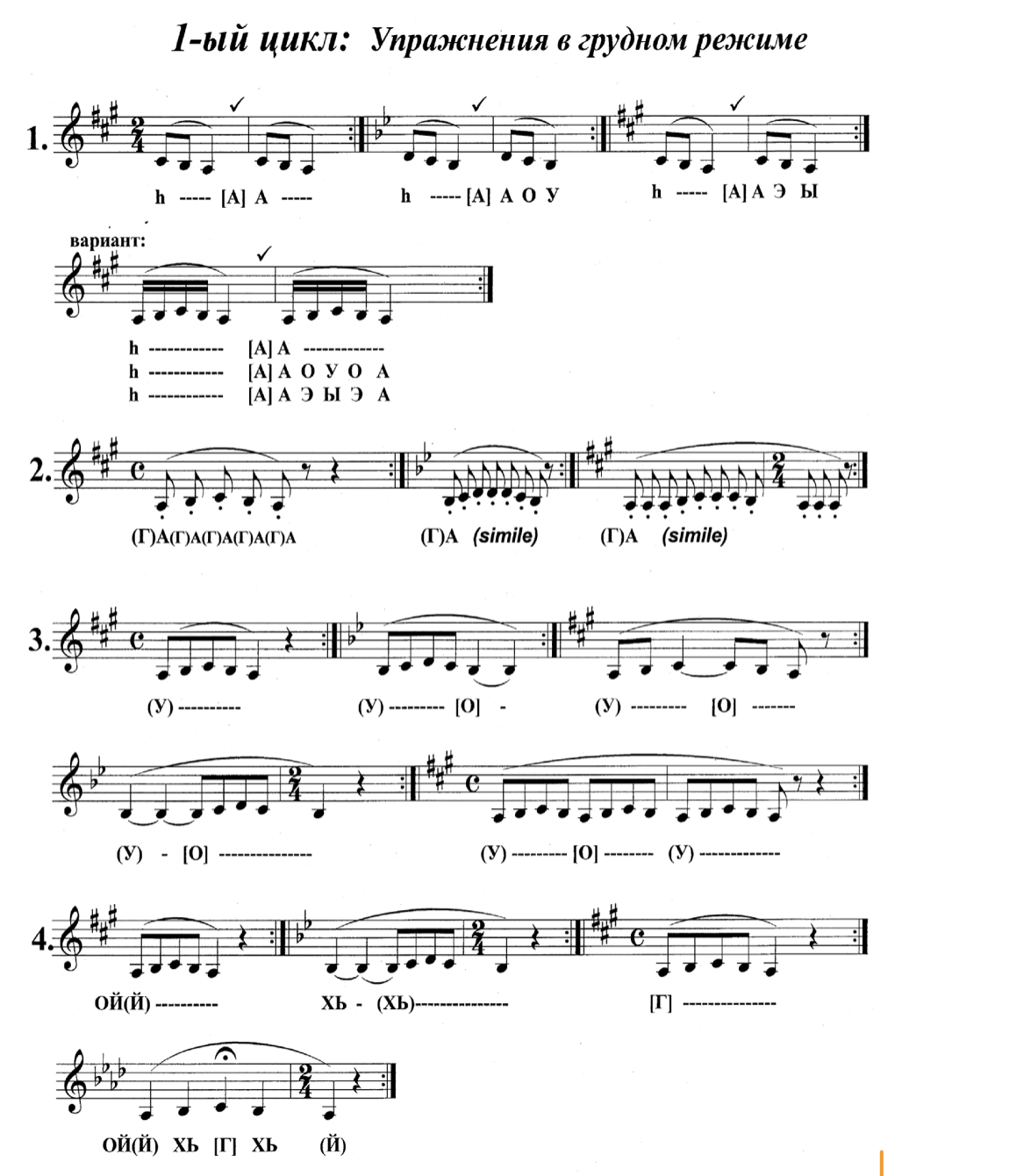
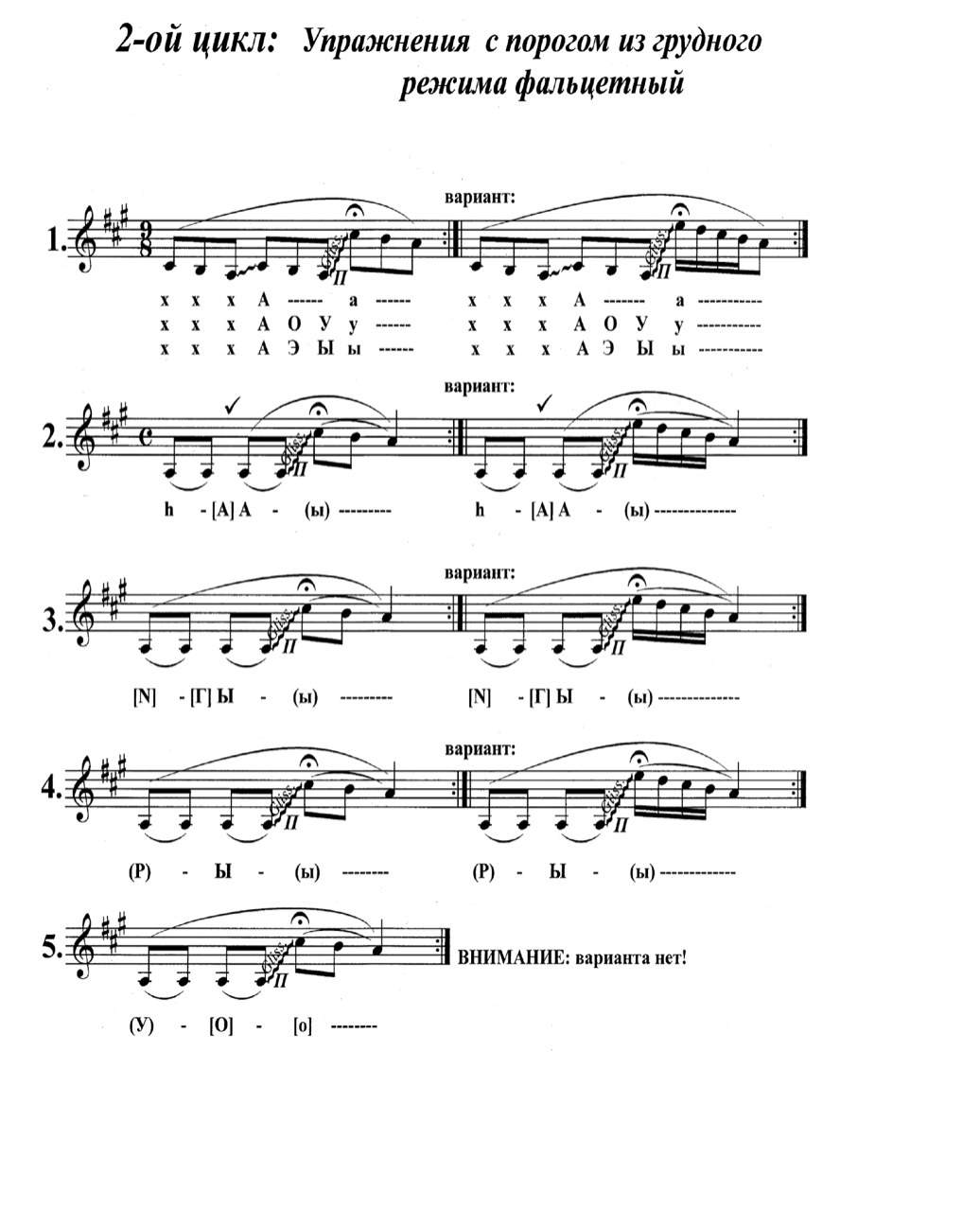
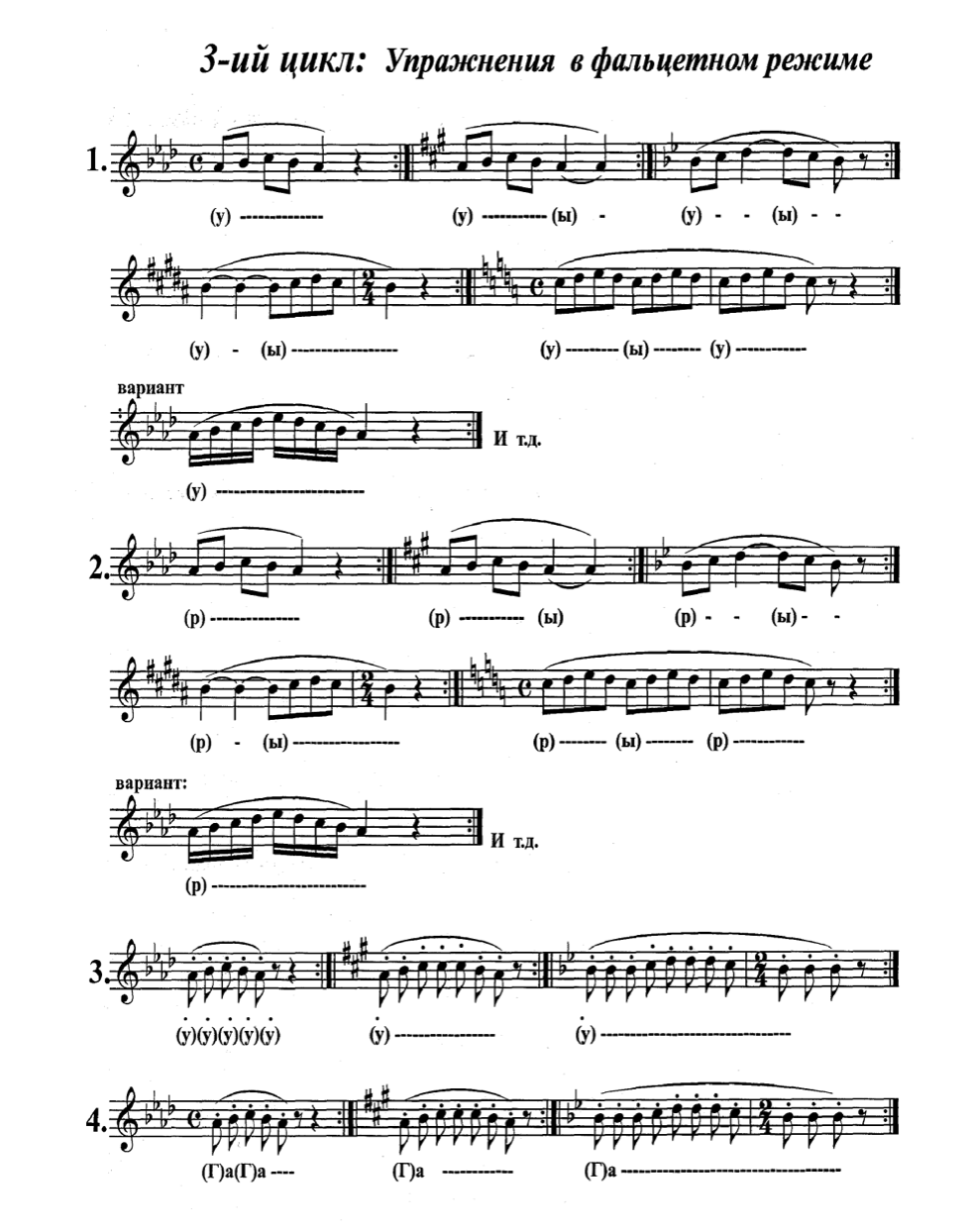
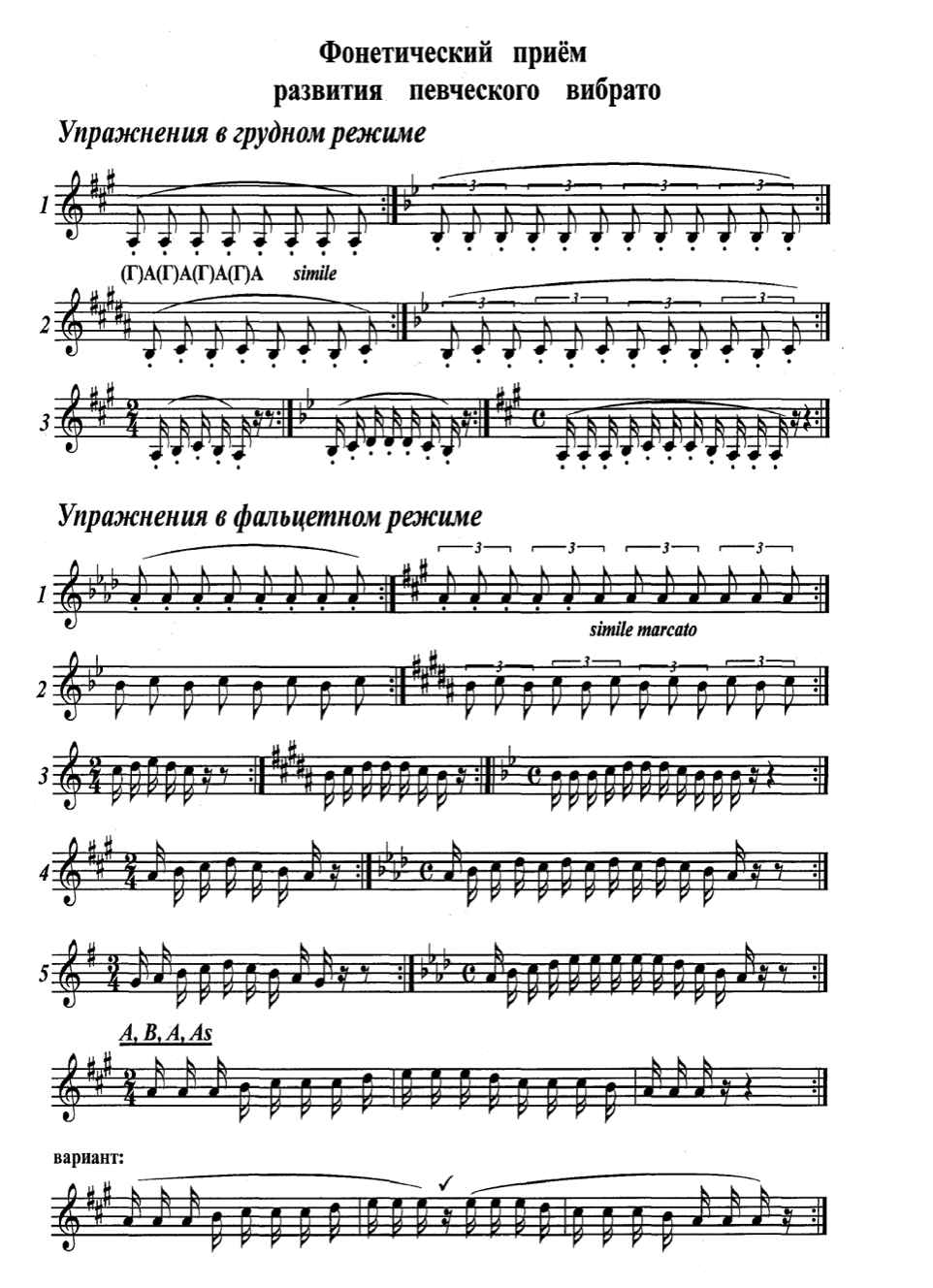
Voice develops in an order
A difficult work does not repair basic coordination. If the voice loses freedom on one vowel in a comfortable range, the problem becomes clearer on a high note with text.
Initial coordination
Work begins with articulation, breathing, onset, intonation and simple voice signals. The voice should answer the intention without delay or added pressure.
Singing coordination
The next stage develops stable sound, acoustic efficiency, an even range and consistent action on different vowels and dynamics.
Registers and transitions
Chest and falsetto registers are first explored separately. The singer then crosses the boundary without an accidental break or an attempt to hold one register beyond its useful range.
Independent control
Students learn to hear their own result instead of copying the teacher. A short phrase, recording, repeat and comparison make the change audible.
How to use this section
Start with articulation and a suitable warm-up. Continue with register or vibrato work. Use coaching or a choir rehearsal for a specific work.